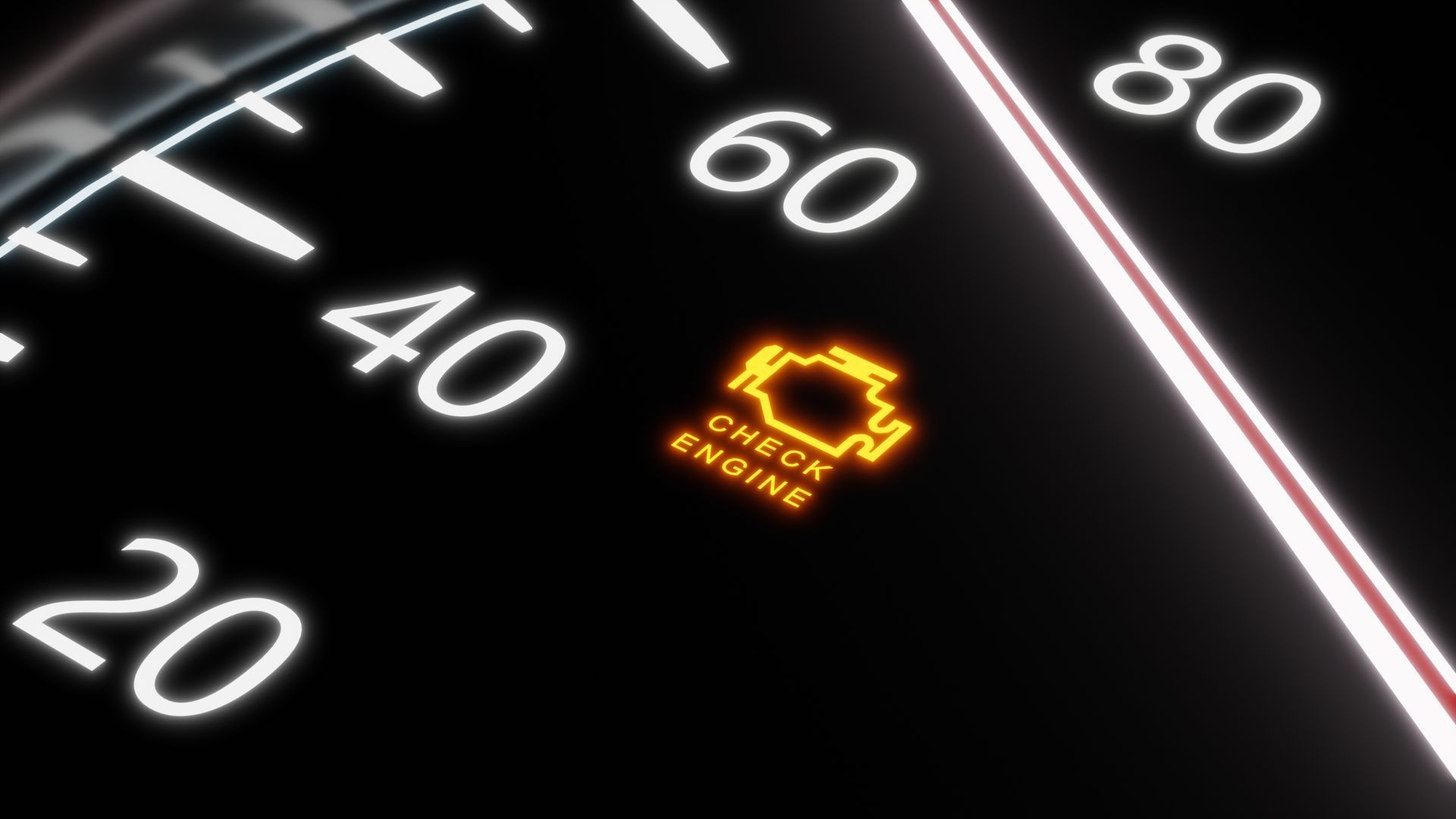
A metallic ping when you accelerate is enough to make any driver turn down the radio. You may hear it climbing a hill or pulling into traffic, then notice that the engine sounds normal at idle. Someone suggests a tune-up, but that leaves an important question unanswered. Is the sound coming from abnormal combustion, or is a mechanical part knocking inside the engine? Those are very different repairs, and getting the cause right protects you from an expensive guess.
Combustion Knock Is Different From Mechanical Engine Knocking
Combustion knock occurs when the air and fuel mixture burns abnormally inside the cylinder. Instead of a controlled flame front, pressure rises in a way that produces a sharp pinging or rattling sound. It often appears when the engine is under load, especially during acceleration or uphill driving. Modern engines use knock sensors and ignition controls to reduce it, but persistent knock still needs investigation.
Mechanical knocking comes from something physically moving or striking where it shouldn't. Worn bearings, internal engine damage, or other mechanical faults produce sounds that a set of spark plugs cannot repair. A deep, heavy knock that follows engine speed is especially concerning. Abnormal combustion is often more noticeable under certain driving loads, but internal mechanical noise frequently has a different pitch and persistence. Listening carefully is a first step, but it doesn't prove which component is damaged.
The engine's operating condition needs to be considered before any test drive continues. If oil pressure is low or the engine suddenly develops a severe knock, shut it off safely and arrange professional assistance instead of continuing the drive.
Why Fuel Octane and Engine Load Affect Combustion
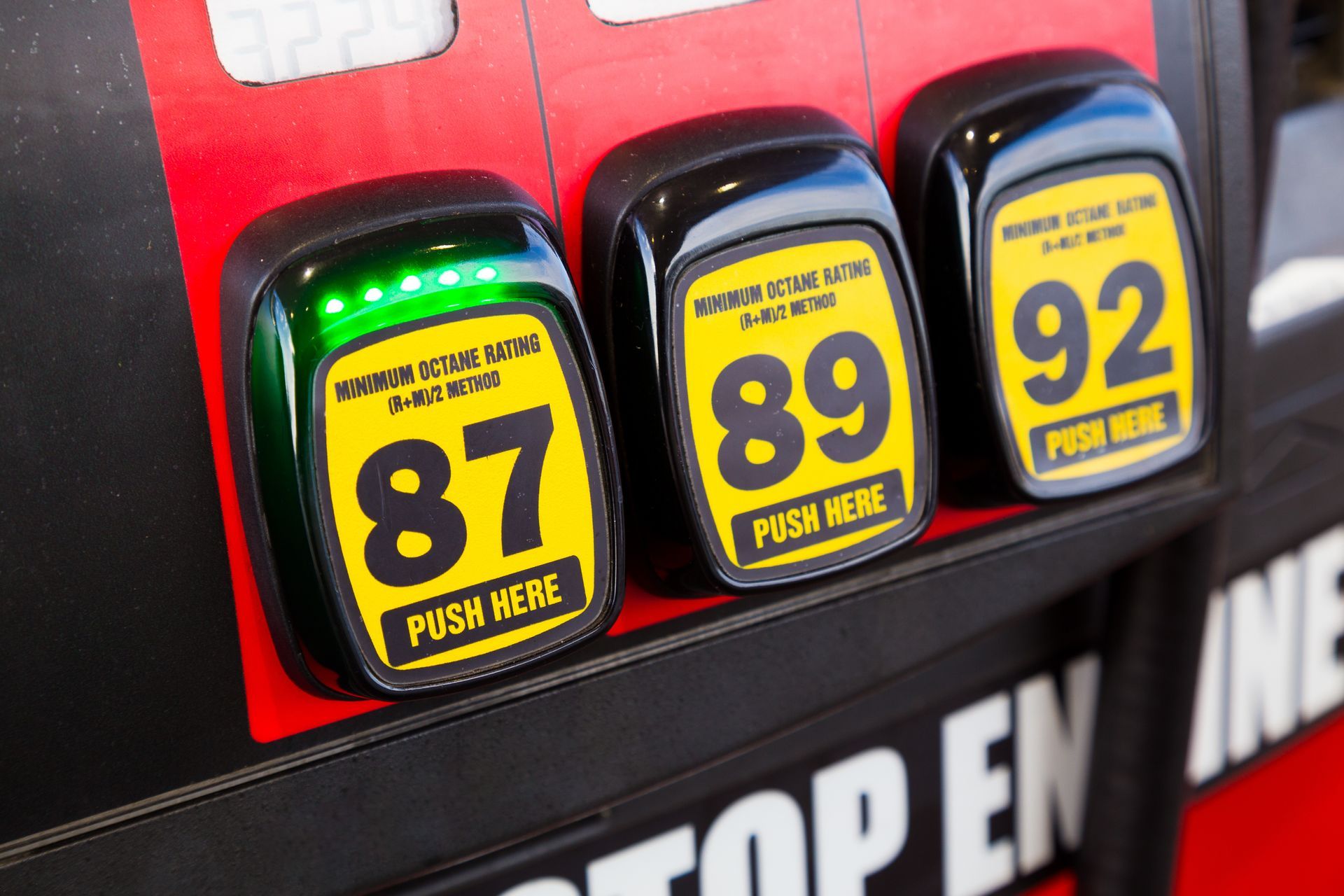
Octane describes a fuel's resistance to abnormal combustion. Some engines are designed for regular gasoline, while others require or recommend a higher grade. Using fuel below the required octane rating increases the chance of knocking, particularly under heavy load. Premium fuel isn't a universal fix, though. An engine designed for regular fuel gains little from buying a higher number just to cover up a fault.
Did the sound appear right after a fill-up? That timing belongs in the service conversation. We confirm the manufacturer's fuel requirement and ask about recent fueling before moving deeper into testing. Low-quality fuel, excessive engine temperatures, and carbon buildup in certain conditions are other possible contributors. The sound alone does not reveal which one is responsible.
Fuel quality also becomes more important when an engine is working hard on a hot day or pulling up a long grade. A knock sensor can ask the computer to reduce ignition advance, but that protective response is not permission to keep driving with an unexplained metallic rattle. The cause still needs to be found.
What a Tune-Up Can Correct in the Ignition System
Worn or incorrect spark plugs cause misfires, rough running, and poor combustion. A plug with the wrong heat range or heavy deposits also changes what happens inside the cylinder. Replacing plugs that have reached their service limit restores the intended ignition condition. On engines with ignition wires or aging coil connections, correcting a verified fault helps restore reliable spark.
Still, replacing ignition parts isn't a guaranteed solution for pinging. A misfire, pre-ignition, and ordinary combustion knock are related to combustion but are not interchangeable faults. We examine the plug condition and misfire information, then look for evidence connecting the symptom to the ignition system. A modern tune-up focuses on what the engine needs, not a collection of parts chosen because a noise is present.
Engine Temperature, Carbon Deposits, and Air-Fuel Mixture
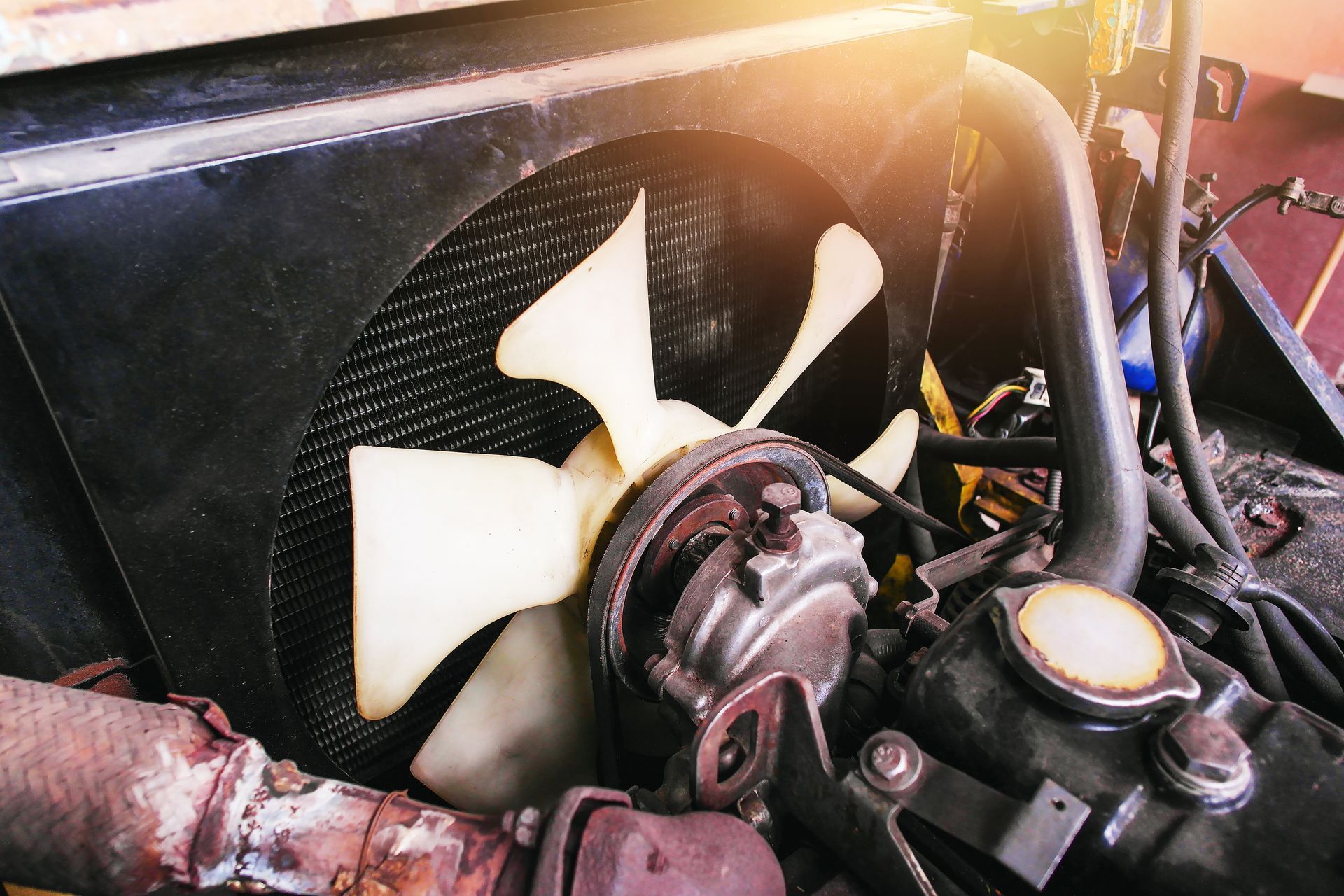
High combustion temperatures increase the risk of knock. An engine running hot because of low coolant, restricted cooling, or a thermostat problem needs cooling system repair. A lean fuel mixture caused by an intake leak or fuel delivery fault can also change cylinder temperatures. Ignition maintenance alone won't fix those underlying conditions.
Carbon deposits sometimes create hot spots or affect the chamber's effective compression characteristics. The right response depends on engine design and confirmed findings. We compare operating temperature, fuel trims, relevant fault codes, and driving conditions before recommending cleaning or other repairs. Removing deposits without explaining why the engine is knocking is not a complete plan.
Signs That Help Separate Pinging From a Serious Internal Noise
Try to remember when the sound occurs without deliberately making the engine knock harder. A light ping under acceleration gives a different clue from a heavy thud audible at idle. Exhaust leaks, loose heat shields, and accessory pulleys sometimes produce noises drivers describe as engine knocking. Recording the sound from a safe position may help us reproduce it during a controlled inspection.
Tell us about these details:
- A light metallic ping under acceleration
- Noise that started after refueling
- A deeper knock that increases with engine speed
- An engine temperature or oil pressure warning
- Rough running, hesitation, or loss of power
- Changes after recent ignition or fuel service
If the oil pressure warning is on, avoid restarting the engine for another listening test. That warning changes the situation from a routine tune-up question to a possible engine damage emergency.
How We Trace an Engine Knock Before Replacing Parts
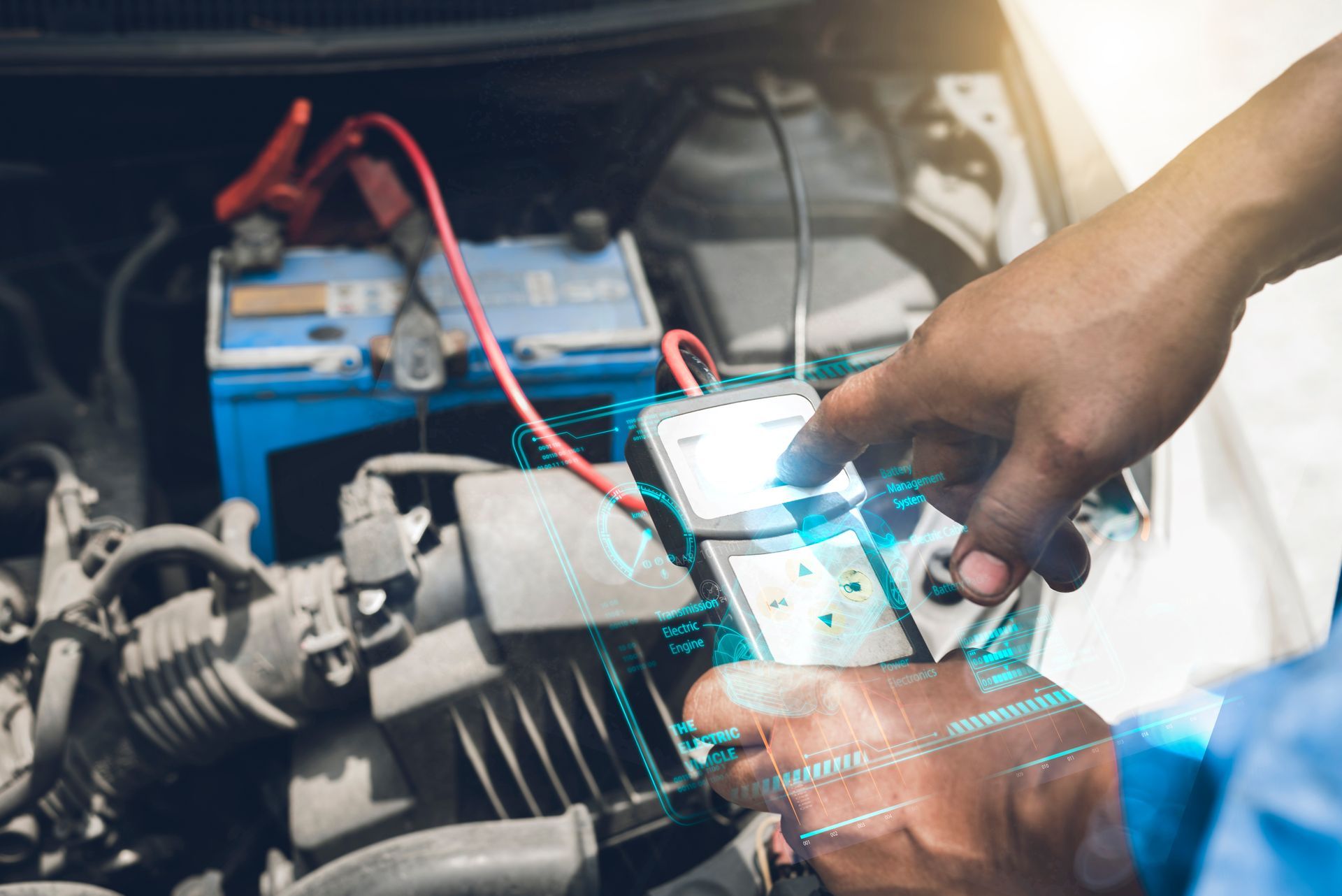
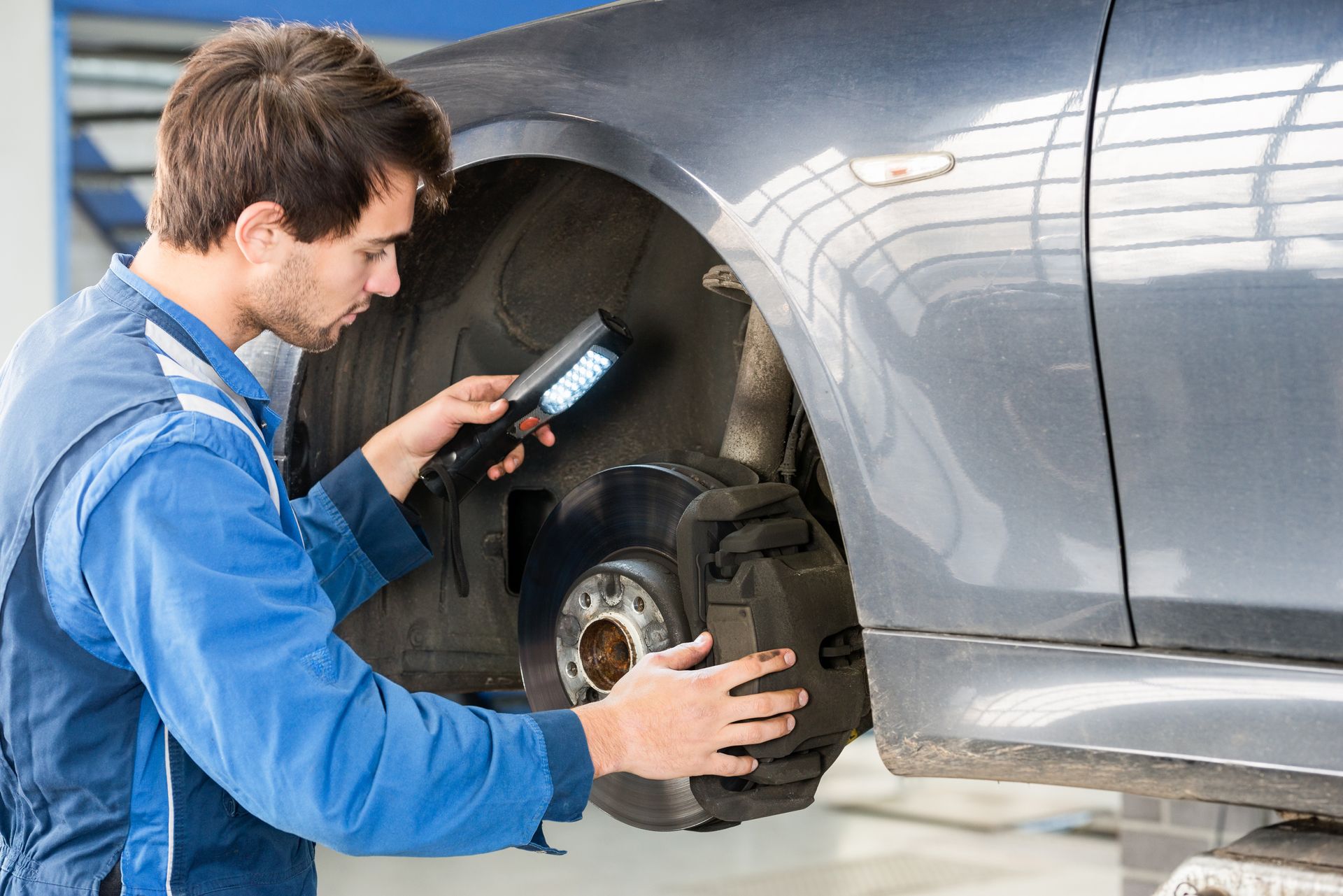
We start by listening to the complaint under safe operating conditions and checking the maintenance history. Engine data, fuel requirements, ignition operation, cooling performance, and fault codes help separate combustion problems from mechanical faults. Some vehicles require additional tests for fuel pressure, compression, or internal wear before a repair decision is possible.
An engine with overdue spark plugs and a confirmed ignition issue may benefit from a tune-up. On vehicles with multiple cylinders showing different symptoms, checking all the available evidence prevents confusing one worn component with the problem affecting the whole engine. A vehicle with proper ignition but persistent combustion knock needs another explanation. And a worn internal bearing calls for mechanical repair, not fuel additives. The sooner we identify the source, the better the chance of avoiding additional damage and unnecessary parts replacement.
Get Engine Knocking Diagnostics and Tune-Up Service in Pierce County, WA, With Rolf's Import Auto Service
Rolf's Import Auto Service serves Pierce County, WA, with engine performance testing, ignition maintenance, and repair guidance for import vehicles. We'll determine what is causing the noise before recommending a tune-up or more involved engine work.