A soft brake pedal gets your attention quickly. You press the pedal, and it feels like it sinks more than it should before the car slows down. Sometimes it firms up if you press again. Other times it stays spongy and leaves you wondering if it’s safe to keep driving.
A soft pedal usually tells you the braking system has lost firmness somewhere. The right fix depends on why that firmness is gone. Below are five common causes, plus the clues that help you decide what to do next.
1. Air In The Brake Lines
Air compresses. Brake fluid does not. That’s why air in the brake lines creates a pedal that feels spongy or springy. Air can get in after brake work if the system wasn’t bled fully. It can also enter through a small leak that does not always leave a puddle.
A common clue is that the pedal feels better after a quick pump. That points toward air moving in the system. It still needs a proper bleed and an inspection because air typically has a reason for being there.
2. Brake Fluid Level Low Or Fluid Leaking
Brake fluid should stay at a stable level. If it is low, you either have worn brake pads that move fluid into the calipers, or you leak. Leaks can happen at a caliper, brake hose, line connection, or master cylinder area.
Look for dampness on the inside of a wheel, wet spots under the car near a wheel, or fluid that looks slick and clear to amber. If the brake warning light is on, or the pedal is dropping quickly, stop driving and have the system checked. Low fluid can turn into brake failure, and it can happen faster than most people expect.
3. A Failing Master Cylinder
The master cylinder is the component that creates hydraulic pressure when you press the brake pedal. When it starts to fail internally, fluid can bypass seals inside the cylinder. That causes the pedal to slowly sink, especially when you hold steady pressure at a stop.
A classic sign is that the pedal feels normal at first, then gradually drops while you are sitting at a light. Sometimes you do not see external fluid leaks because the problem is internal. This is one of those issues that deserves a quick diagnosis because braking consistency is affected.
4. Worn Or Overheated Brake Pads
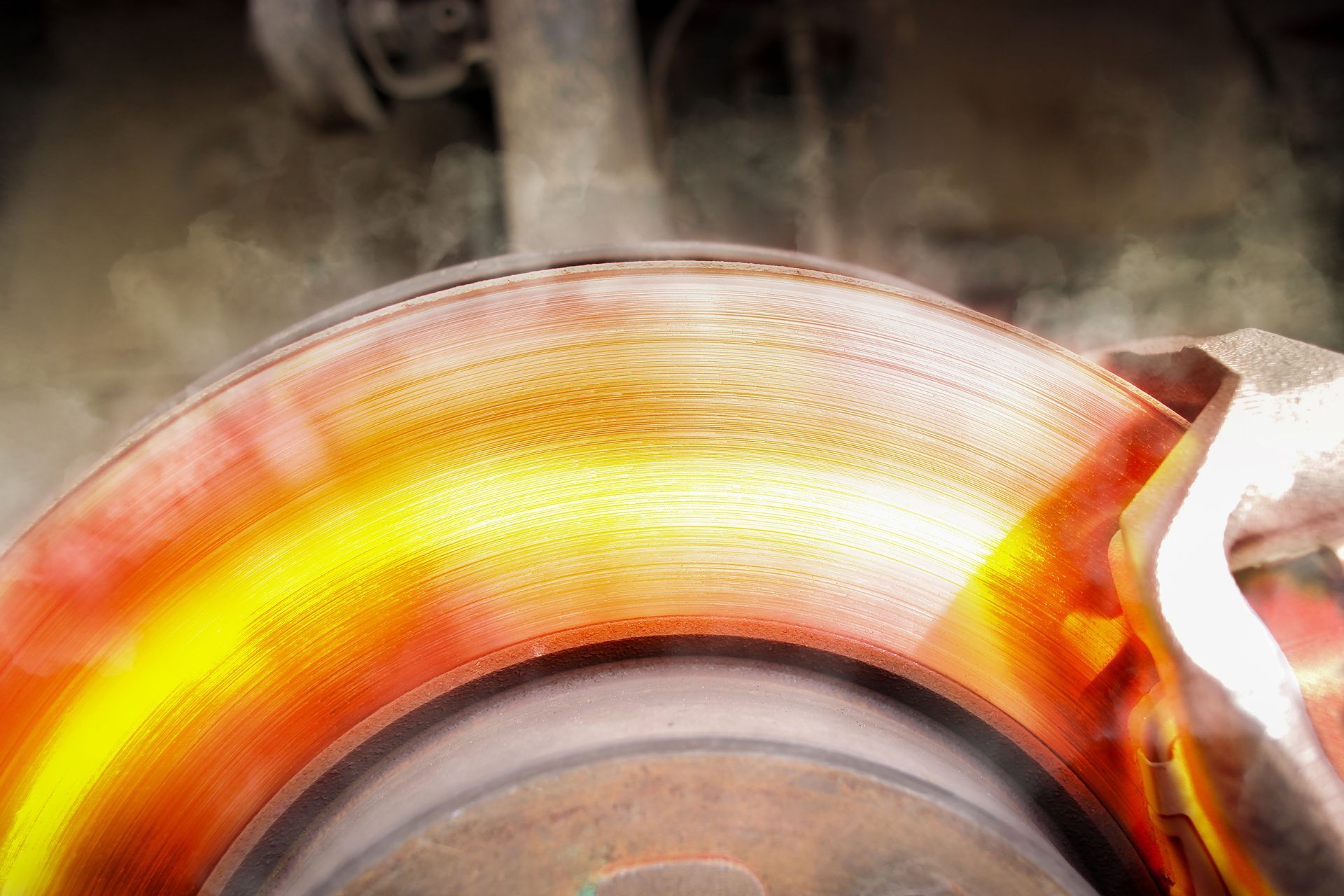
Worn brake pads can change pedal feel because the caliper piston is extended farther than normal. Overheated pads can also create a different kind of soft feel because the friction surface is not responding the way it should. That can happen after repeated hard stops or long downhill braking.
If you notice a soft pedal after heavy braking, along with a hot smell, the pads and rotors may have overheated. The system should be inspected because heat can also affect brake fluid over time, especially if the fluid is older.
5. Brake Hoses Expanding Or Calipers Not Working Correctly
Brake hoses can weaken with age. Under pressure, a weak hose can expand slightly. That changes how the pedal feels because some of your pedal effort goes into hose expansion instead of clamping force at the brakes.
Caliper problems can also create an inconsistent pedal feel, especially if a caliper is sticking or a slide pin is seized. You might notice pulling, uneven braking, or one wheel getting hotter than the others. In our experience, a soft pedal combined with pulling is a strong reason to schedule an inspection soon.
What To Do If Your Brake Pedal Feels Soft
Start with safety. If the pedal is sinking quickly, the brake warning light is on, or the braking distance feels longer, do not keep driving. If the pedal is slightly soft but braking still feels consistent, drive cautiously and schedule an inspection soon.
Also avoid topping off brake fluid as a long-term fix. Adding fluid can hide a leak or worn brake pads. It is better to find the cause than to mask the symptom.
How We Diagnose A Soft Brake Pedal
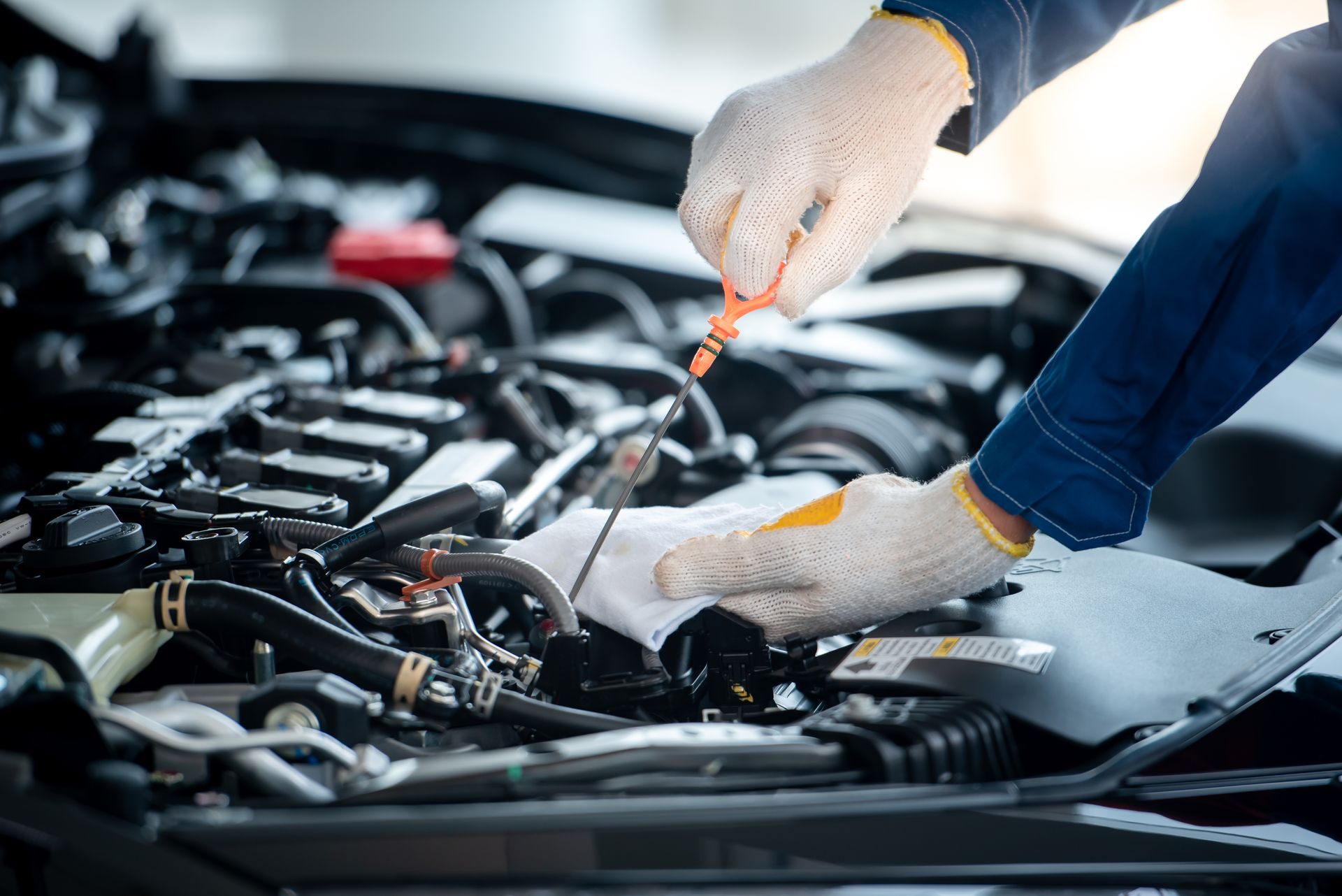
We start by checking the brake fluid level and condition. Then we inspect for leaks and confirm pad and rotor condition. We also check the master cylinder performance and evaluate whether air is present in the system.
If the issue is intermittent, we reproduce the symptom with a test drive when appropriate. Our technicians focus on confirming the cause before recommending parts, because a soft pedal can come from different systems that feel similar at first.
Get Brake Repair in Pierce County, WA, with Rolf's Import Auto Service
We can inspect your brakes, find out why the pedal feels soft, and recommend the repair that restores firm, consistent braking. We’ll check for air in the lines, leaks, master cylinder issues, and brake hardware problems that can cause a spongy pedal feel.
Call
Rolf's Import Auto Service in Pierce County, WA, to schedule a brake inspection and get your braking confidence back.