A sticking brake caliper can begin with symptoms that are easy to dismiss. The car may pull slightly, one wheel may smell hot, or the vehicle may not coast as freely as it used to. Since the brakes still stop the car, many drivers continue using it until the problem becomes much more obvious.
A caliper that does not release correctly keeps pressure on the brake pad after you lift your foot from the pedal. That creates heat, wears parts unevenly, and forces the engine to work harder. The problem can affect the front or rear brakes and should be checked before the heat damages the rotor, wheel bearing, tire, or nearby components.
The Vehicle Pulls To One Side
A sticking caliper can make the vehicle pull while driving or braking. If one brake remains partly applied, that wheel creates extra resistance and drags the car toward one side. The pull may feel stronger after several minutes of driving as the brake gets hotter.
Pulling does not always come from a caliper. Low tire pressure, alignment problems, worn suspension parts, and uneven brake application can create a similar feeling. Still, a pull that grows stronger during a drive, or one that appears with a hot smell, is a strong reason to inspect the brakes.
One Wheel Feels Much Hotter
A brake that stays applied creates friction every time the wheel turns. After a short drive, the affected wheel may be noticeably hotter than the others. You may feel heat coming from the wheel area without touching it or notice that one side smells different after parking.
Do not place your hand directly on the wheel, rotor, or caliper because brake parts can become hot enough to cause burns. A technician can compare temperatures safely and inspect the pads, rotor, caliper piston, slide pins, and brake hose to find out why the brake is not releasing.
You Smell Something Hot Or Burning
An overheated brake often produces a sharp, burnt odor. The smell may resemble hot metal, burnt rubber, or overheated chemicals. It can become stronger after stop-and-go driving, highway use, or a longer trip because the trapped pad continues rubbing against the rotor.
In more severe cases, you may see smoke near one wheel. If that happens, pull over somewhere safe and stop driving. Continuing to use the vehicle can damage the braking system and may create a fire risk if extreme heat reaches grease, rubber, or accumulated road debris.
The Car Does Not Coast Normally
A healthy vehicle should continue rolling for a short distance when you release the accelerator. With a sticking caliper, the car may slow down more quickly than expected, almost as though you are lightly pressing the brake pedal.
The engine may also feel less responsive because it is constantly working against brake drag. Fuel economy can drop, and the transmission may shift more often on hills. These changes can develop slowly, so the driver may not realize how much resistance is present until the brake is repaired.
Brake Pads Wear Unevenly
A sticking caliper often wears one pad faster than the other. If the piston does not retract, the inner pad may stay pressed against the rotor. If the slide pins are seized, the outer pad may wear differently because the caliper cannot move correctly.
Common wear clues include:
- One pad is much thinner than the pad on the same wheel.
- The pads on one side of the vehicle wear faster than the opposite side.
- The rotor has deep grooves, dark heat spots, or a blue tint.
- One wheel creates much more brake dust than the others.
Uneven wear helps show where the problem is, but the cause still needs to be confirmed. Replacing pads without repairing the sticking caliper or seized hardware usually causes the same damage to return.
The Brake Pedal Or Braking Feel Changes
A sticking caliper can make braking feel inconsistent. The car may jerk slightly when the pedal is pressed, pull to one side, or feel as if one brake is applying before the others. In some cases, the pedal feels normal even though one wheel is dragging continuously.
Extreme heat can also affect the brake fluid, causing a softer pedal. If the fluid boils or a hose is damaged, braking performance can change quickly. Any sudden change in pedal feel, stopping distance, or vehicle direction deserves immediate attention.
Several Different Parts Can Cause Brake Drag
The caliper piston is only one possible source. Rust, damaged seals, contaminated fluid, or internal corrosion can prevent the piston from moving freely. Caliper slide pins can also seize when grease dries out, or water gets past damaged boots.
A restricted brake hose can create nearly the same symptom. Fluid pressure reaches the caliper when you press the pedal, but the damaged hose may prevent pressure from releasing afterward. Parking brake cables, electronic parking brake components, and corroded rear brake hardware can also keep a brake applied.
Why A Sticking Caliper Gets Worse
Heat builds quickly when a brake drags. That heat can harden or crack the pads, distort the rotor, damage caliper seals, and break down the wheel bearing grease. It may also transfer into the brake fluid and nearby suspension parts.
The longer the vehicle is driven, the more parts may need to be replaced. A problem that started with a seized slide pin can become a caliper, pad, rotor, hose, and bearing repair if it is ignored. Early inspection keeps the damage more limited and helps restore balanced braking.
How Technicians Confirm The Problem
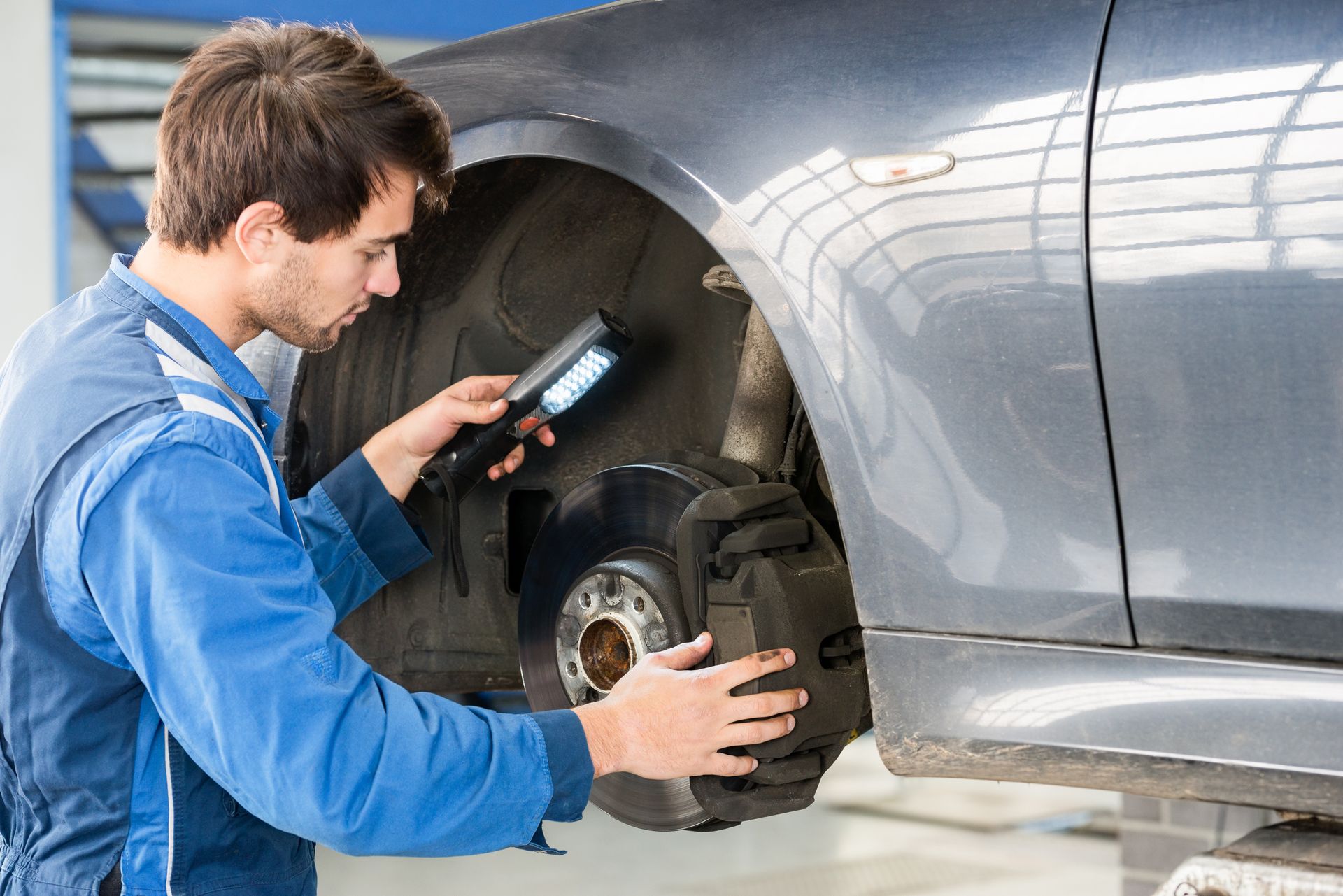
A technician may begin by road testing the vehicle and comparing wheel temperatures after the drive. The vehicle is then lifted so each wheel can be checked for resistance. Pad thickness, rotor condition, caliper movement, slide pins, hoses, and parking brake parts are inspected closely.
Regular maintenance can reduce some causes of caliper trouble. Brake fluid service, hardware cleaning, correct lubrication, and replacing damaged boots help protect moving parts from moisture and corrosion. An inspection is especially useful in Pierce County, where wet conditions can contribute to rust around brake hardware.
Get Brake Caliper Repair In Pierce County, WA, With Rolf's Import Auto Service
If your vehicle pulls, smells hot, wears brake pads unevenly, or has one wheel that becomes much hotter than the others, Rolf's Import Auto Service in Pierce County, WA, can inspect the calipers, brake hoses, pads, rotors, slide pins, and parking brake components.
Contact us to schedule an appointment before a sticking brake causes additional damage.