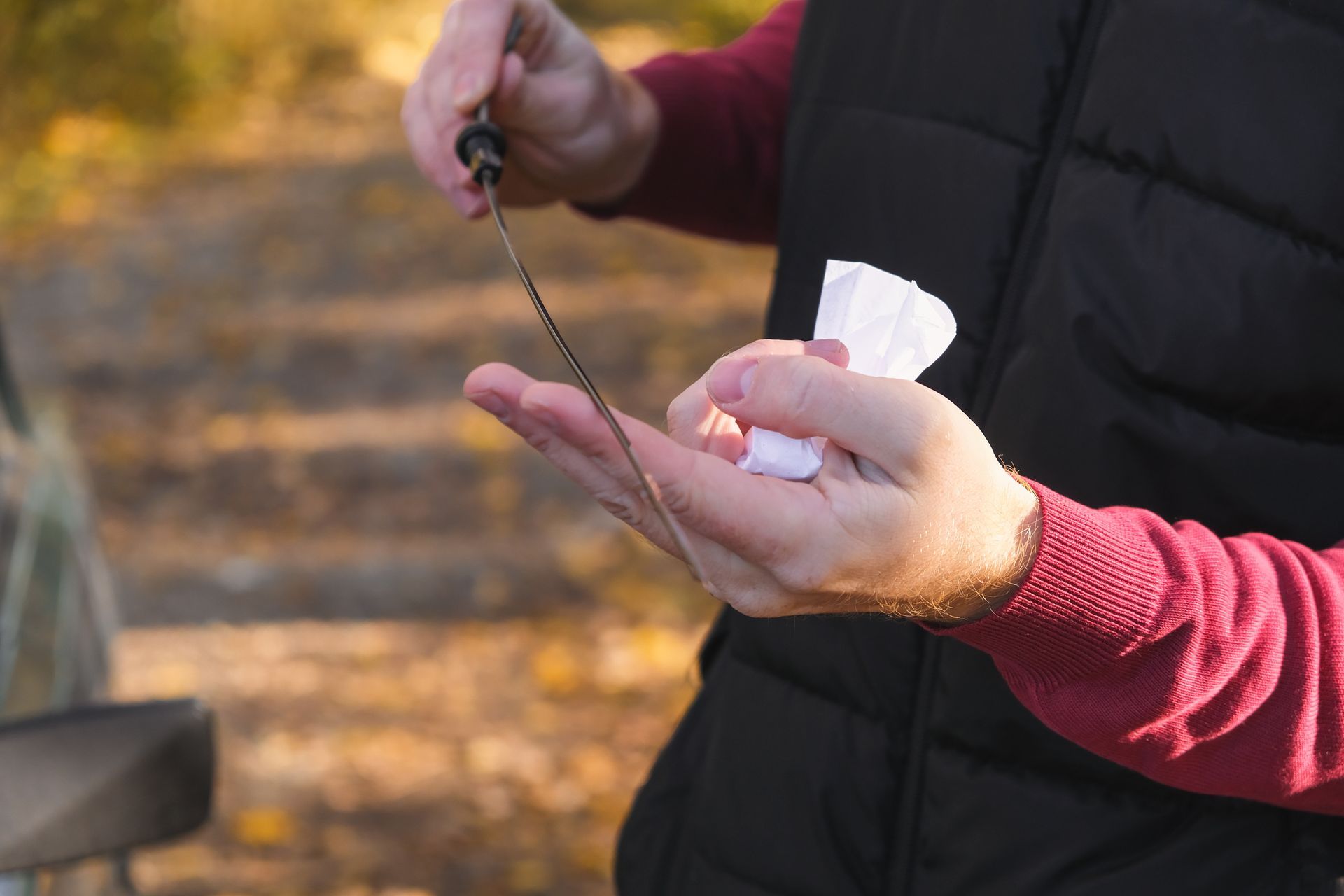
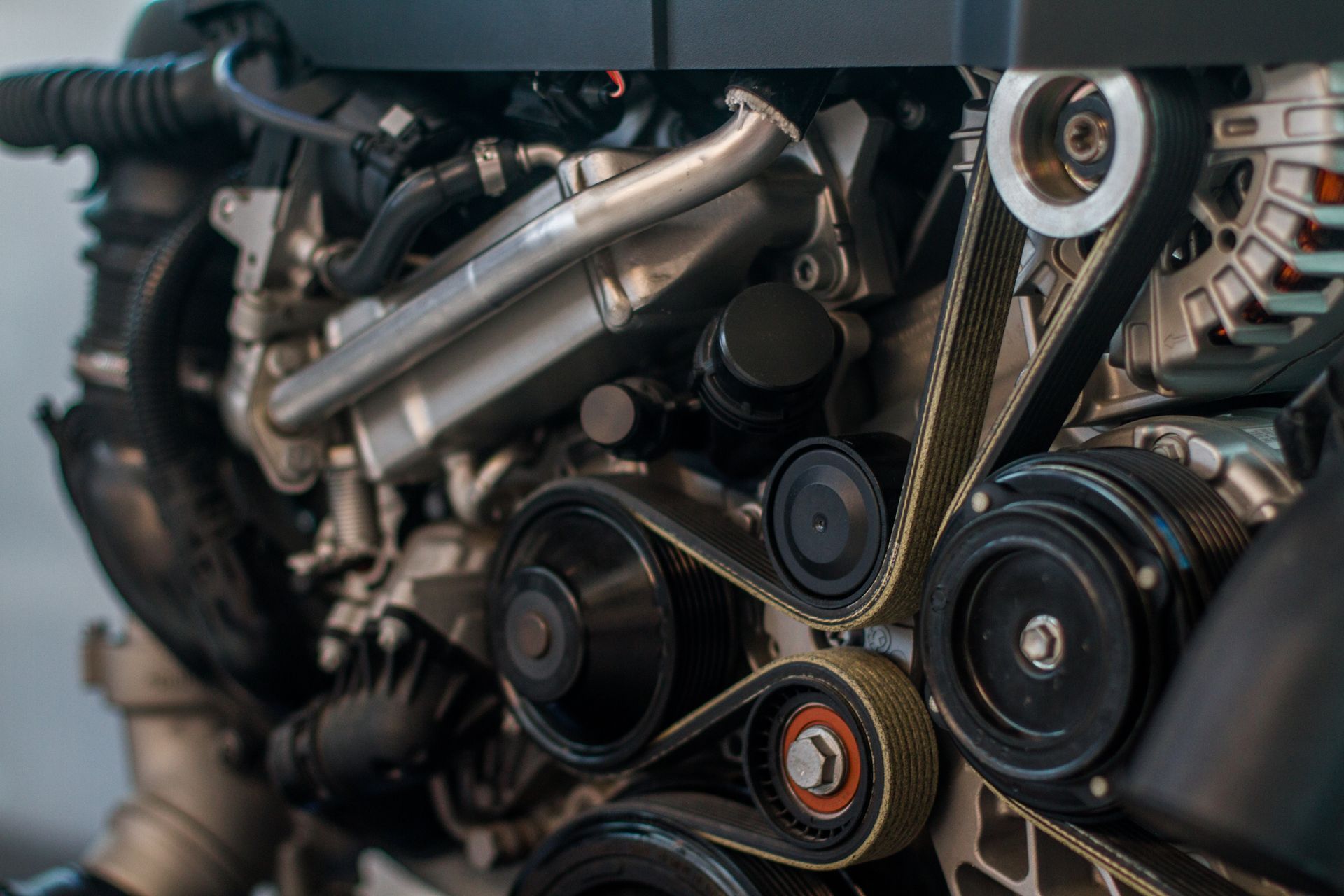
An oxygen sensor helps the engine computer understand what is happening in the exhaust so it can manage fuel delivery and monitor emissions. On most modern vehicles, there are sensors before and after the catalytic converter, and each one has a different job in how the system is monitored.
When an O2 sensor starts to weaken, it may still produce a signal but respond more slowly or less accurately than it should. That is why replacing a sensor based only on a trouble code can lead to the wrong repair. A proper test looks at sensor behavior, engine data, wiring, and the conditions that could be influencing the reading.
Start With the Check Engine Light and Stored Codes
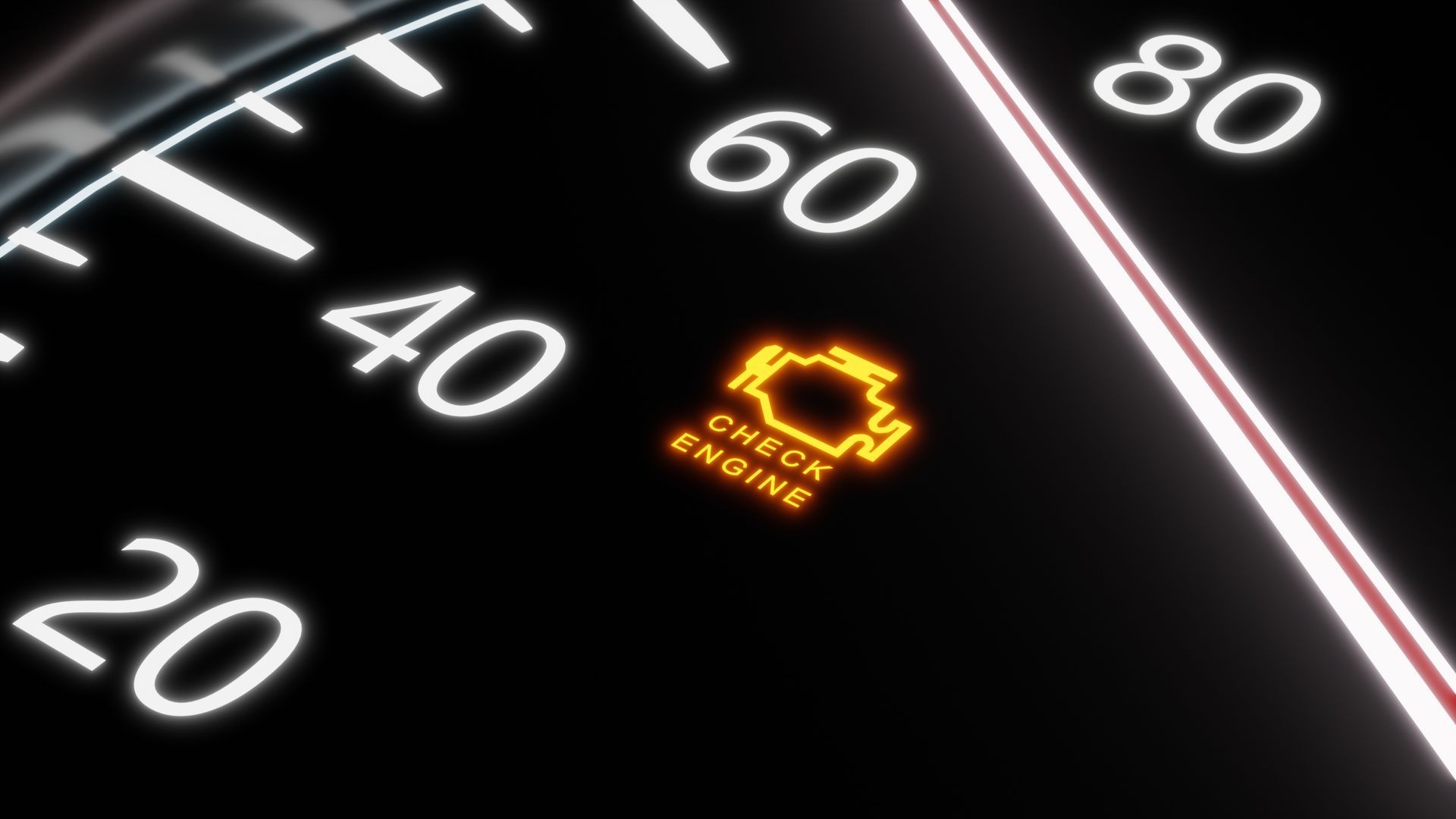
A check engine light is often what brings attention to an oxygen sensor, but the fault code is only the beginning of the testing process. A code may identify a sensor circuit, heater fault, slow response, or a fuel mixture condition, but it does not automatically mean the sensor itself has failed.
Technicians use a scan tool to review stored codes, freeze-frame information, and live data. That helps show what the engine was doing when the fault appeared and whether the sensor signal fits the rest of the engine's operating information.
Look at How the Sensor Changes While the Engine Runs
A traditional narrowband oxygen sensor should react as the fuel mixture changes. Once the engine and sensor are warm, the upstream sensor normally moves between lower and higher voltage as the engine computer continually adjusts fuel delivery.
A sensor that barely changes, reacts very slowly, or stays fixed at one value may be failing. The important part is confirming that the engine itself is actually changing between richer and leaner conditions. If the mixture is truly stuck rich or lean, the sensor may simply be reporting that condition correctly.
Wideband Sensors Behave Differently
Many newer European and import vehicles use wideband air-fuel ratio sensors instead of older narrowband oxygen sensors. These provide more detailed mixture information and are often monitored through current, lambda, or calculated air-fuel values rather than a simple voltage swing.
Because of that, the expected readings depend on the sensor design and vehicle. A technician needs to compare scan data with the manufacturer's specifications rather than applying the same testing method to every O2 sensor.
Sensor Response Time Is Important
An oxygen sensor does not have to be completely dead to cause problems. It can become lazy with age and contamination, meaning it still reacts but takes too long to recognize changes in exhaust oxygen.
Technicians may create a controlled rich or lean condition and watch how quickly the sensor responds. A healthy sensor should react promptly. If the mixture clearly changes but the sensor takes too long to follow, that can indicate a worn sensor even when its signal is still moving.
The Heater Circuit Needs to Work Too
Modern oxygen sensors use an internal heater to reach operating temperature quickly. Without it, the sensor may take too long to become active after startup or may cool down too much during idle and light-load driving.
A heater fault can come from the sensor itself, a blown fuse, damaged wiring, a poor ground, or a control problem. Testing power, ground, resistance where appropriate, and commanded heater operation helps separate a failed sensor from an electrical issue elsewhere in the circuit.
Exhaust Leaks Can Affect O2 Sensor Readings
An exhaust leak near an upstream oxygen sensor can pull outside air into the exhaust stream. That extra oxygen can make the sensor report a lean condition even if the engine's actual fuel mixture is close to correct.
Leaks around the exhaust manifold, manifold gasket, flange, or cracked pipe should be checked before replacing a sensor for a persistent lean reading. A small leak can alter sensor data without producing a very loud exhaust sound.
Other Engine Problems Can Make the Sensor Look Bad
O2 sensors react to what is present in the exhaust, so they can reveal problems that have nothing to do with the sensor itself. Misfires, leaking injectors, low fuel pressure, intake vacuum leaks, excessive oil consumption, and coolant entering the combustion chamber can all change the exhaust mixture.
A misfire, for example, can send unburned oxygen into the exhaust and make the sensor indicate a lean condition. Replacing the sensor will not correct the ignition or mechanical problem that caused the reading.
Wiring and Connectors Should Be Inspected
Oxygen sensors live in a harsh environment. Their wiring runs close to hot exhaust components and can be damaged by heat, road debris, oil, corrosion, or previous repair work.
During an inspection, technicians look for melted insulation, loose terminals, damaged connectors, stretched wiring, and corrosion. If the signal or heater circuit cannot reach the engine computer correctly, a perfectly good sensor may appear defective.
Compare Upstream and Downstream Sensors Correctly
The upstream sensor is mainly used to help manage fuel mixture, while the downstream sensor is generally used to monitor catalytic converter performance. Their signals should not necessarily match.
If the downstream sensor begins closely copying the upstream sensor on a system where it should remain more stable, that may point toward a catalytic converter efficiency problem rather than a failed downstream sensor. Understanding each sensor's role prevents good parts from being replaced unnecessarily.
Contamination Can Shorten Sensor Life
Oil burning, coolant leaks into the combustion chamber, certain fuel additives, and long-term rich operation can contaminate an oxygen sensor. Once the sensing element becomes coated, its ability to read exhaust oxygen accurately may decline.
Regular maintenance helps reduce some of those risks, but a contaminated sensor often points to another problem that should also be addressed. Replacing the sensor without correcting heavy oil burning or another source of contamination may shorten the life of the replacement.
Get Oxygen Sensor Testing in Pierce County, WA, With Rolf's Import Auto Service
Rolf's Import Auto Service in Pierce County, WA, can perform diagnostic testing for oxygen sensor codes, fuel mixture concerns, emissions faults, and drivability problems.
We can check sensor response, heater operation, wiring, exhaust leaks, and related engine data before recommending replacement.
Contact us to schedule service.