European cars can be picky about fuel, and not in a fussy way. Many of them are built with higher compression, turbocharging, tight engine controls, and performance tuning that requires a certain octane level. Put the wrong fuel in, and the engine may still run, but it may not be happy.
That pinging sound is not just noise.
If your BMW, Audi, Mercedes-Benz, Volkswagen, Porsche, MINI, Volvo, or other European vehicle requires premium fuel, regular-grade fuel can cause knocking, poor performance, and increased stress on the engine.
What Engine Knocking Really Means
Engine knocking occurs when the air-fuel mixture does not burn properly. Instead of one controlled burn inside the cylinder, the mixture can ignite too early or unevenly. That creates a sharp ping, rattle, or tapping sound, especially during acceleration.
Drivers often hear it when climbing a hill, merging onto the highway, or pressing the gas at low speed. It may sound like marbles rattling in a can for a second or two. Sometimes the engine computer reacts quickly enough that you do not hear much, but the system is still fighting the problem.
Knock is pressure showing up at the wrong time.
Why European Cars Often Need Premium Fuel
Many European engines are designed to make strong power from a smaller displacement. Turbochargers, direct injection, and higher compression help them feel quick and efficient. The trade-off is that they often require higher-octane fuel to control combustion.
Octane is not a measure of fuel strength. It measures resistance to knock. Premium fuel resists early ignition better than regular fuel. If the engine was designed for premium-grade fuel, regular-grade fuel provides less protection against knock under load.
That is why the fuel door and owner’s manual matter. Recommended fuel and required fuel are not always the same thing. If the vehicle says premium required, take that seriously.
What Happens When You Use Regular Fuel
Most modern European cars have knock sensors. These sensors listen for abnormal combustion and send that information to the engine computer. If the computer detects a knock, it can pull ignition timing, reduce boost, and adjust fuel strategy to protect the engine.
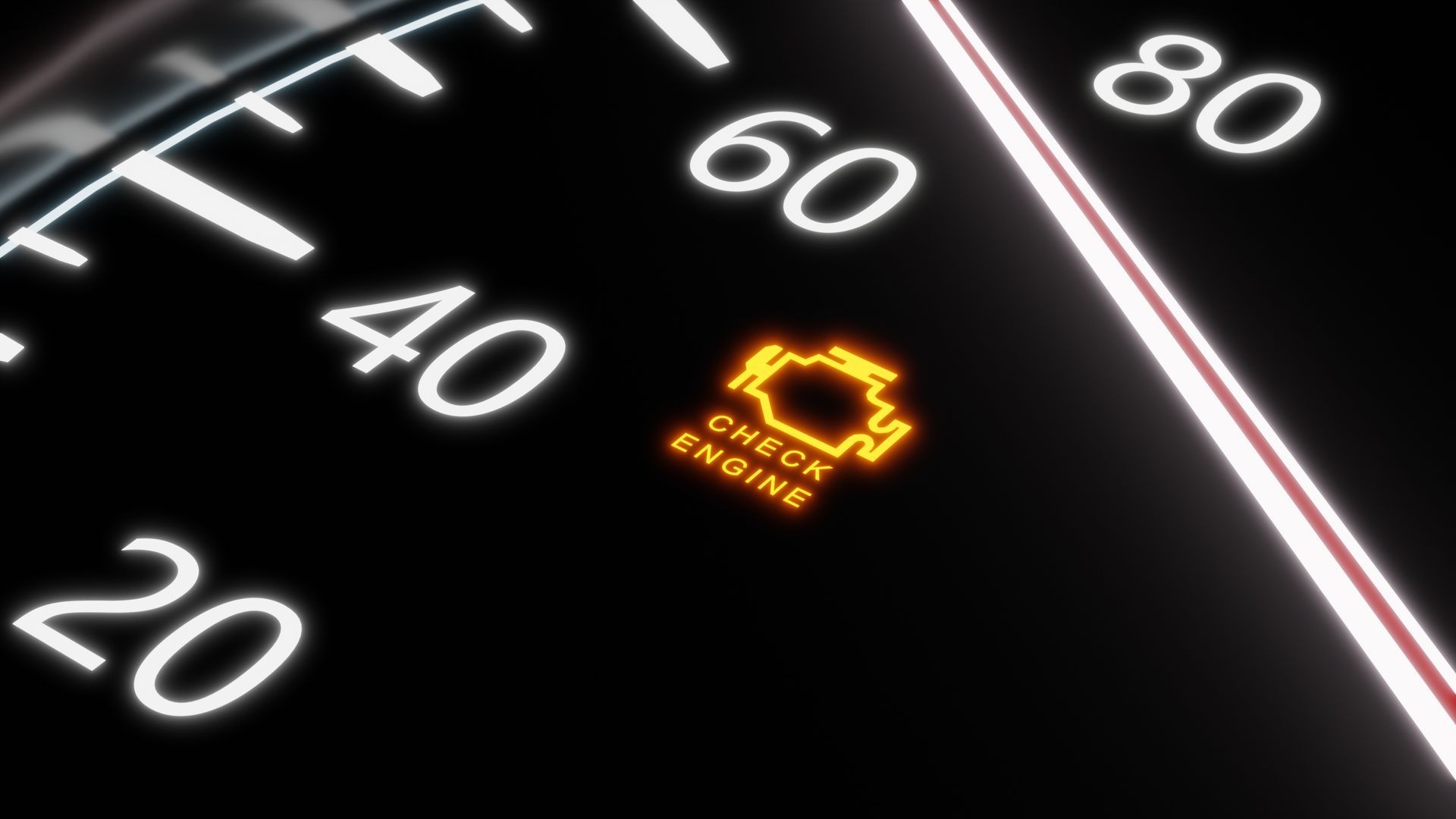
That protection helps, but it is not free. The car may feel slower, less responsive, or rougher under acceleration. Fuel economy can drop. The engine may run hotter under load. If the system keeps correcting for poor fuel, the check engine light may appear.
We see this when a car starts feeling lazy right after a fuel change or a fill-up from an unfamiliar station. The fuel may not be the only suspect, but it belongs in the conversation.
Can Regular Fuel Cause Real Damage?
One tank of regular fuel may not destroy a modern engine if you drive gently and correct it at the next fill-up. The bigger concern is repeated use in an engine that requires premium. Over time, frequent knock or constant timing correction can stress pistons, rings, bearings, spark plugs, and catalytic converters.
Turbocharged engines are especially sensitive because cylinder pressure rises under boost. That is when low-octane fuel can make the engine more likely to knock. If you hear rattling under acceleration, do not keep increasing the throttle.
The engine is already telling you it is not comfortable.
Signs Fuel May Be Part Of The Problem
Fuel-related knockинг can be easy to confuse with other engine noises. A loose heat shield, worn mount, timing issue, or low oil can also create sounds that seem similar. The pattern helps narrow it down.
If the noise started soon after filling up, happens mainly under acceleration, and improves after switching back to the correct fuel, octane may be involved. If the check engine light comes on with misfire, lean mixture, or knock-related codes, the car needs an inspection instead of another guess at the pump.
Our technicians would also look at spark plugs, carbon buildup, fuel trims, boost control, and sensor data because fuel grade is only one piece of the engine knock story.
What To Do If You Put In Regular By Mistake
Do not panic. Avoid hard acceleration, high-speed pulls, towing, or steep hill driving until you burn through the fuel or dilute it with the correct grade. If the tank is nearly full and the car is knocking badly, it may be smarter to have the fuel handled rather than drive through it.
If the vehicle feels normal, top off with the correct premium fuel as soon as there is room in the tank. Then pay attention. If the knocking stops, you likely caught it early. If the sound remains, or the check engine light comes on, the issue may not be fuel alone.
Regular maintenance helps prevent other causes of knock, too, like worn spark plugs, carbon buildup, dirty injectors, weak fuel delivery, or cooling system problems.
Get Engine Knocking Service In Pierce County, WA, With Rolf's Import Auto Service
If your European car is pinging, rattling under acceleration, losing power, or showing a check engine light after using the wrong fuel, Rolf's Import Auto Service in Pierce County, WA, can check the engine data and find out what is really happening.