The check engine light is triggered when the engine computer sees a fault that falls outside its expected operating range. Sometimes you feel a clear symptom like a stumble or a power drop. Other times, the car adjusts well enough that everything feels normal, even though a code is stored in memory. Either way, the light is a prompt to check the underlying system, not a suggestion to panic.
It’s a data-driven warning, not a guess.
Loose Gas Cap And EVAP Leaks
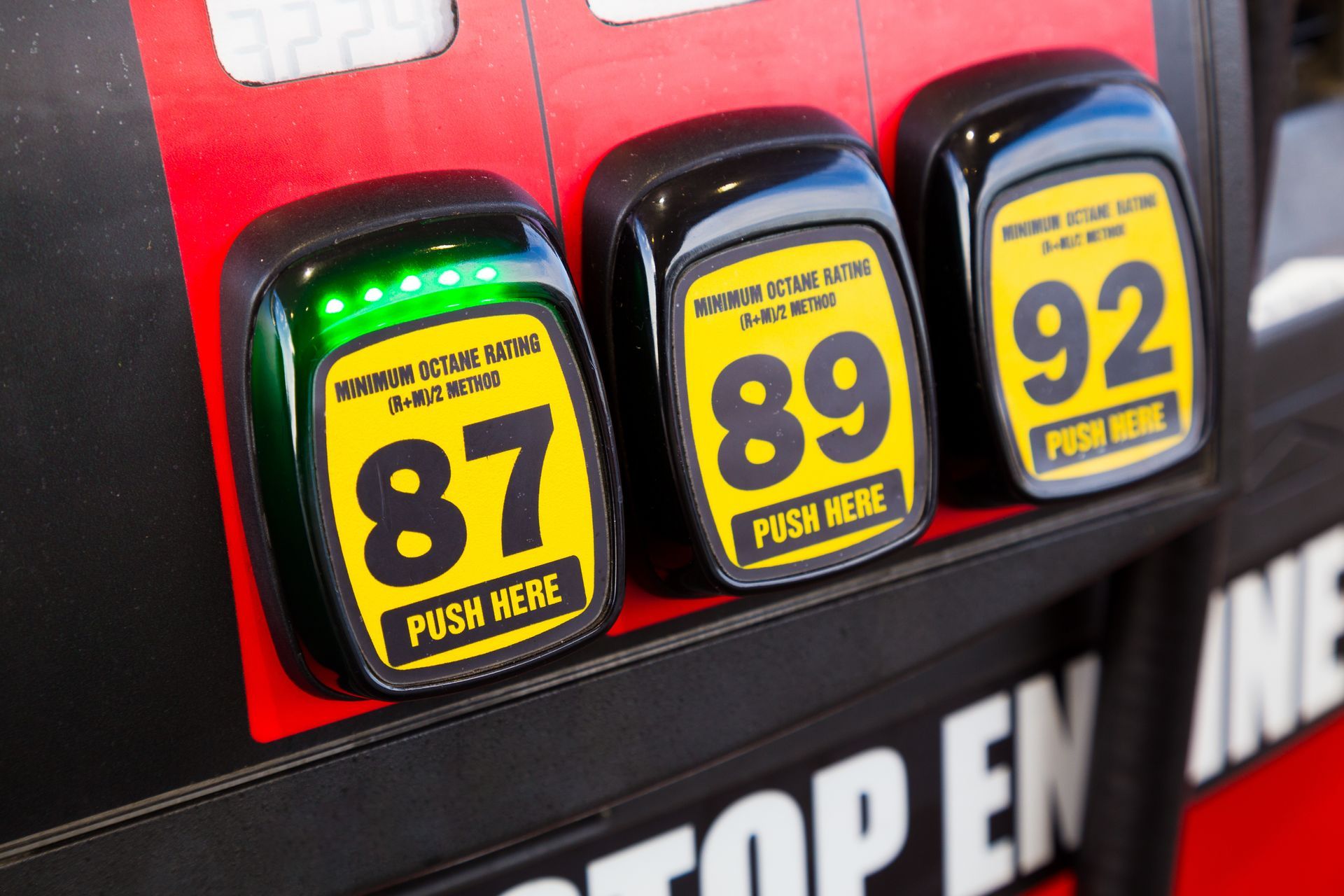
A loose gas cap really can turn the light on, and it’s one of the most common reasons drivers see the light after a fill-up. The EVAP system is sealed and monitored for leaks, so if the cap isn’t tightened properly, the computer detects vapor escaping and sets a code.
Tightening the cap until it clicks is a good first step, but don’t expect the light to shut off instantly. Many vehicles need a few complete drive cycles before the system reruns its self-test and clears the light on its own, even if the leak is gone.
Ignition Misfires From Plugs Or Coils
Misfires are a big reason the light comes on while driving, especially under load. Worn spark plugs, weak ignition coils, and even a cracked plug boot can cause a cylinder to skip when you accelerate, climb a hill, or merge onto the freeway. The engine might still run, but you’ll often notice a shake, a hesitation, or a loss of power that comes and goes.
If the light is flashing, treat it as urgent. A flashing check engine light typically means an active misfire, and continuing to drive hard can overheat and damage the catalytic converter in a short window.
Oxygen Sensor Or Air-Fuel Ratio Sensor Problems
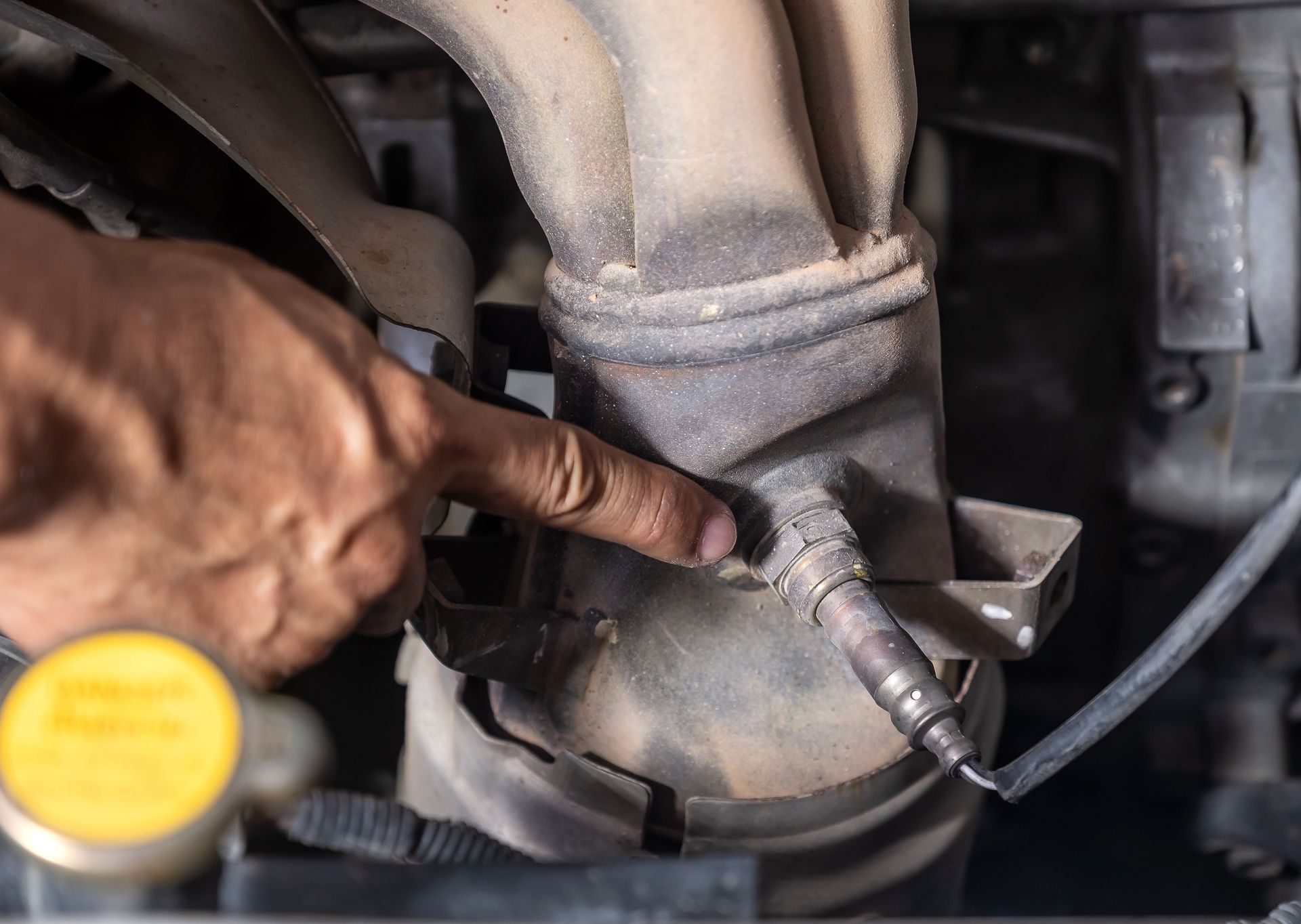
Oxygen sensors and air-fuel ratio sensors monitor the exhaust stream and help the engine fine-tune fuel delivery. When one fails or drifts out of range, the computer loses a key feedback signal. The result is often poorer fuel economy, a slightly rough idle, or a light that appears with no dramatic drivability change.
It’s also common for an exhaust leak upstream to mimic a sensor problem. In the bay, we often check whether the sensor is truly failing or simply responding to extra oxygen pulled into the exhaust through a small leak.
Mass Airflow Sensor And Intake Leaks
The mass airflow sensor measures incoming air so the computer can match fuel precisely. If the sensor is dirty or failing, the engine can run lean or rich at the wrong times, which can trigger a light and hesitation or a flat feeling during acceleration. Intake leaks create a similar issue by letting unmetered air in, which throws off the calculations.
Look for patterns like rough idle, stumbling right off idle, or inconsistent throttle response. If an intake hose is cracked or a clamp is loose, it’s a straightforward fix, but it needs to be sealed correctly or the same code tends to return.
Catalytic Converter Efficiency Codes
Catalytic converter codes get a lot of attention because the part can be expensive, but the converter is often reacting to something else. Misfires, oil burning, rich running, or coolant contamination can all overload the converter and reduce its efficiency. The computer then compares upstream and downstream sensor signals and sets an efficiency code when the converter isn’t cleaning up exhaust the way it should.
This is where regular maintenance pays off in a very real way. Keeping ignition and fuel control healthy helps the converter live a long life, and it prevents a small drivability problem from turning into an emissions-system repair.
What To Do When The Light Comes On
Start by noticing how the car behaves and what the light is doing. A steady light with normal drivability usually means you can finish your trip and schedule service soon. A flashing light, overheating, harsh shaking, or major power loss is a stop-and-address-now situation.
Here’s a practical approach that avoids wasting time and money:
- If you just fueled up, tighten the gas cap fully and note when the light appeared
- If the light is flashing, reduce load immediately and avoid hard acceleration
- Pay attention to new symptoms like rough idle, fuel smell, or surging
- Don’t clear codes before an inspection, because the stored data helps pinpoint the cause
If the light returns repeatedly, bring notes on when it happens and under what conditions
Get Check Engine Light Help In Pierce County, WA With Rolf's Import Auto Service
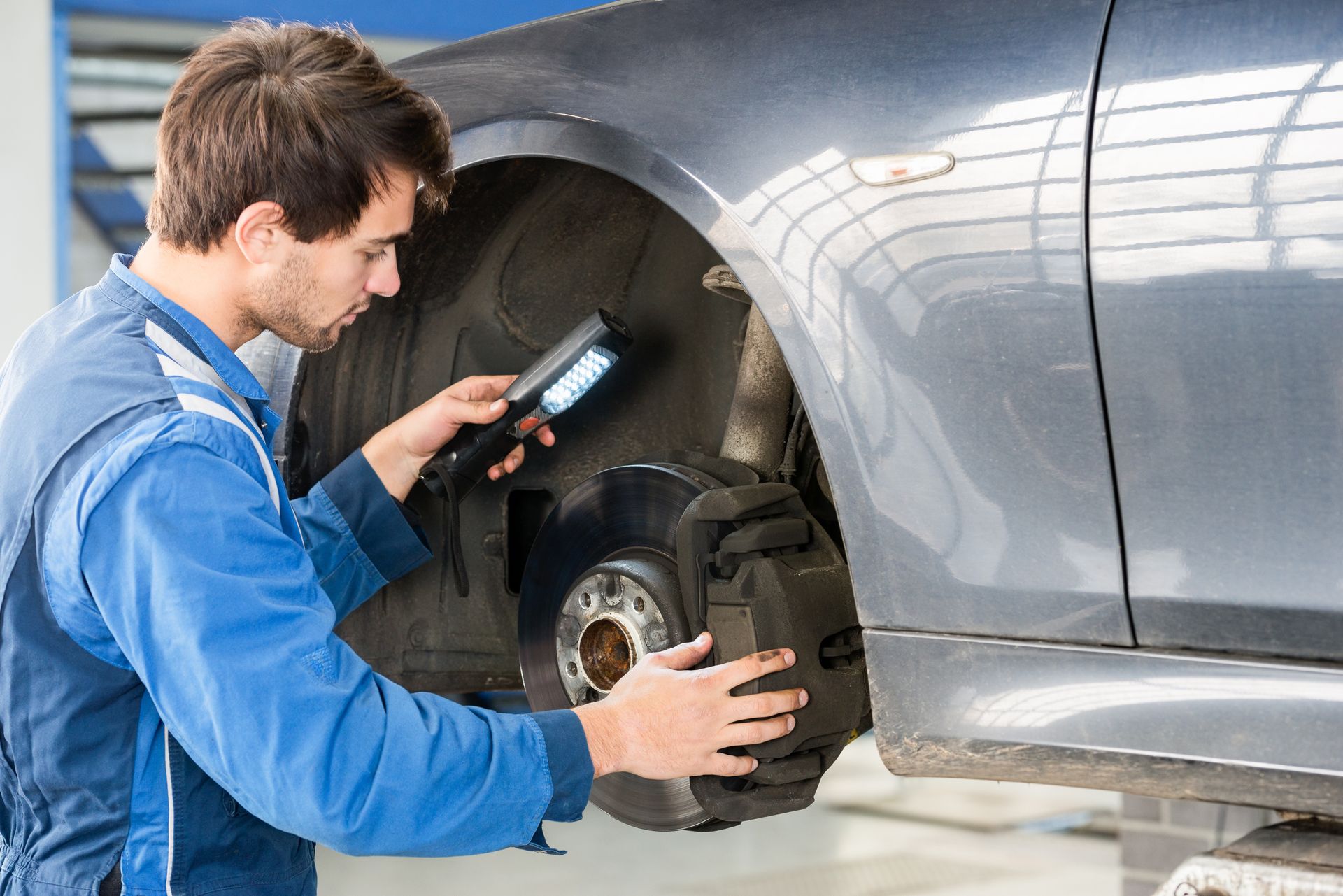
If the check engine light comes on, the next step is identifying whether it’s a simple EVAP issue, a misfire, a sensor problem, or something affecting emissions performance, then fixing what actually triggered it.
Schedule a visit with Rolf's Import Auto Service in Pierce County, WA, when you want the cause confirmed quickly, and the repair plan kept straightforward.
You’ll leave knowing what set the light off and what it takes to keep it off.