Popping the hood and pulling the dipstick is one of the easiest ways to keep tabs on your engine’s health. It takes a couple of minutes, does not require special tools, and can save you from serious damage if a leak or oil consumption problem starts.
The key is knowing when to check, how to read the dipstick correctly, and what to do with the information you see.
Why Checking Your Oil Level Still Matters on Modern Cars
Modern engines and oil life monitors make it easy to forget about basic checks, but they have not changed how much engines depend on the right amount of oil. If the level gets too low, bearings, camshafts, and timing components lose their protective film and start to wear quickly. In severe cases, low oil can lead to knocking, overheating, or a seized engine.
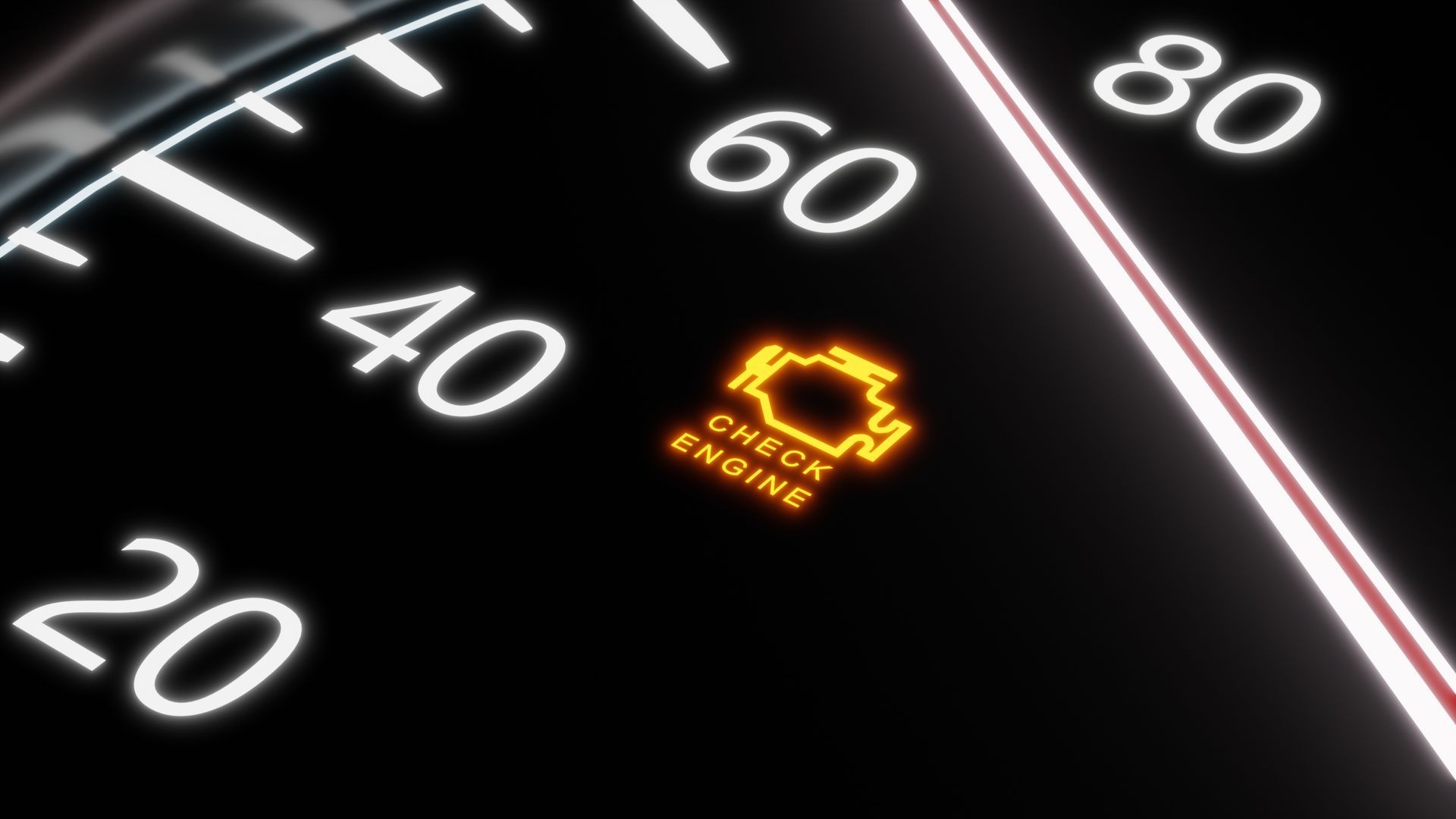
Dash warning lights are helpful, but they are usually late in the game. A light that flickers on in a corner or under hard braking often means the level has already dropped a lot. Regular dipstick checks give you an early warning so you can top off or find a leak before you hear any ugly noises.
When and Where to Check Your Engine Oil
For the most accurate reading, you want the car parked on level ground. If the front or rear of the vehicle is significantly higher, the oil can pool at one end of the pan and make the level look better or worse than it really is. A flat driveway or parking lot works well.
Most manufacturers recommend checking oil with the engine off and slightly warm, not blazing hot right after a long drive. Let the vehicle sit for a few minutes so the oil drains back into the pan. If you check first thing in the morning after it has sat overnight, that is fine too, as long as you are consistent about how you do it.
Step-by-Step Guide to Using the Dipstick
Every engine is a little different, but the basic process is the same. Here is a simple walkthrough:
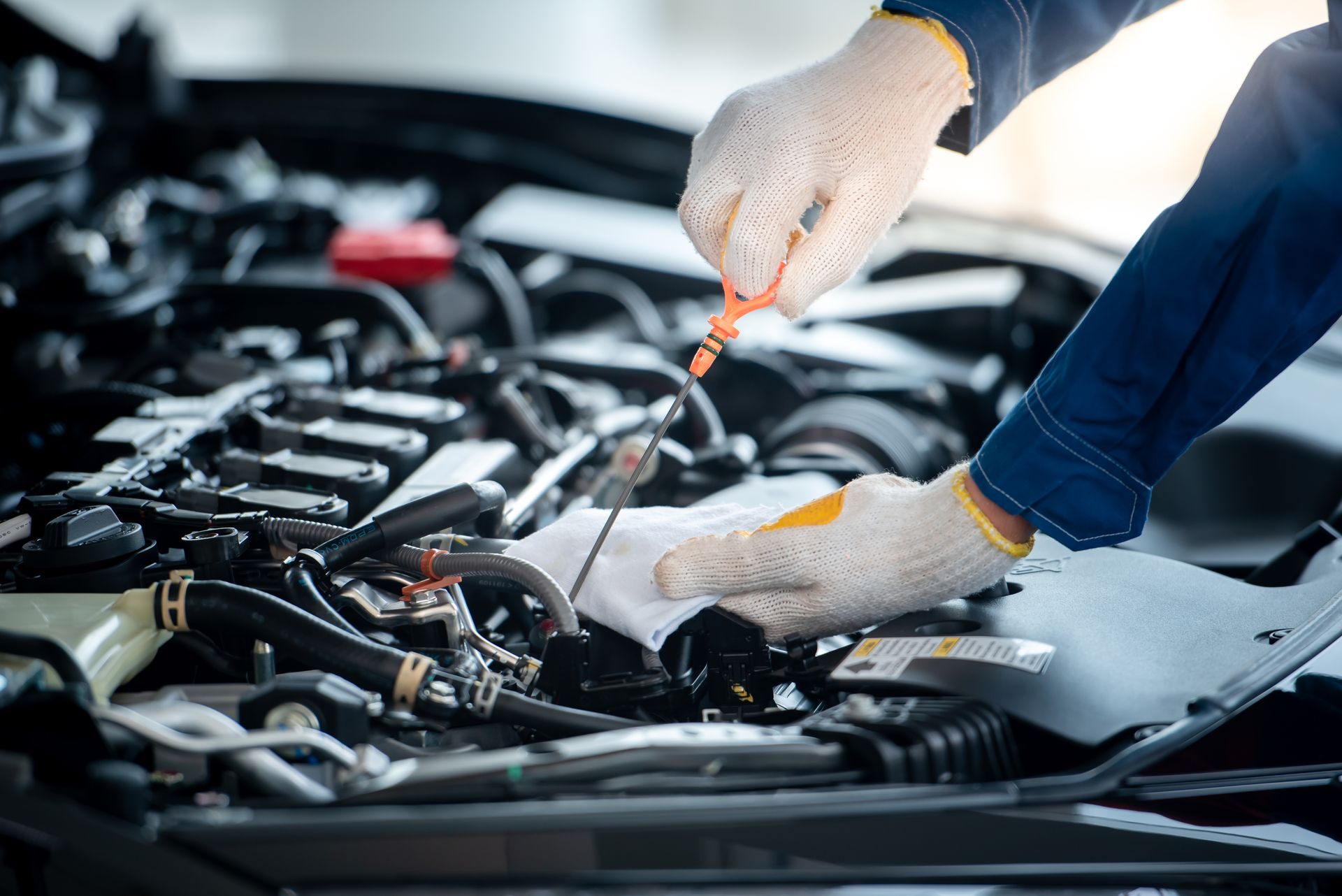
- Open the hood safely, then locate the dipstick. It usually has a brightly colored handle, often yellow or orange.
- Pull the dipstick out and wipe it clean with a rag or paper towel so you are starting fresh.
- Reinsert the dipstick fully back into its tube, then pull it out again and hold the tip level to read the oil.
- Look at where the oil film reaches between the low and full marks, which may be holes, crosshatch areas, or lines.
You want the oil level somewhere between the minimum and maximum marks, ideally around the middle or slightly above. If it is at or below the low mark, the engine needs additional oil.
What Your Dipstick Reading Is Telling You
The height of the oil on the stick is the main number you care about, but the look and feel of the oil tells a story, too. Clean, healthy oil will have a smooth feel between your fingers and a consistent color. It will darken over time, which is normal, especially on engines that see short trips or heavy use.
If the oil looks very thick and sludgy, that can mean it has been run well past its change interval. A milky, tan appearance may hint at coolant mixing with the oil, which is more serious. Strong fuel smell, metal flakes, or foamy bubbles are also reasons to have the engine checked soon. Our technicians pay close attention to these details because they give early clues about internal wear or leaks.
Common Mistakes to Avoid When Checking or Topping Off Oil
Most dipstick checks are straightforward, but a few common mistakes cause confusion:
- Reading the stick right away after shutting off a very hot engine, which can leave oil smeared up the tube and hard to see.
- Overfilling because the stick was not fully seated before checking, so the level looked lower than it really was.
- Adding a random oil type or thickness just to get the level up, instead of matching the grade recommended for your engine.
- Letting dirt or grit fall into the dipstick tube when you pull it, especially if the area around the handle is dusty or oily.
Taking an extra moment to wipe around the dipstick handle, seat it fully, and use the correct oil grade keeps your quick check from turning into a new problem.
How Often Should You Be Checking Oil Levels
A good habit for most drivers is to check oil once a month or every few fuel fill-ups. If your vehicle is older, has higher mileage, or has had leaks or oil consumption issues in the past, checking more often makes sense. It is also smart to check before and after long road trips, since highway miles put more continuous hours on the engine.
If you ever notice the level dropping consistently between checks, that is valuable information. It tells you the engine is using oil or leaking somewhere, even if there are no spots on the driveway. Bringing that detail to a visit helps us zero in faster on valve cover leaks, oil pan issues, or consumption concerns that might not show up in a quick glance.
Get Engine Oil Level Checks in Pierce County, WA with Rolf's Import Auto Service
If you are unsure about your oil level, how to read the dipstick, or why the oil looks the way it does, we are happy to take a look and walk you through it. We can check the level, inspect for leaks, and recommend an oil and filter service schedule that fits your driving.
Schedule an engine oil level check in Pierce County, WA with Rolf's Import Auto Service, and keep your engine protected every time you start it.
- Rolf's Import Auto Service - Lakewood, WA
- Rolf's Import Auto Service - Fife, WA
- Rolf's Auto Service - Tacoma, WA